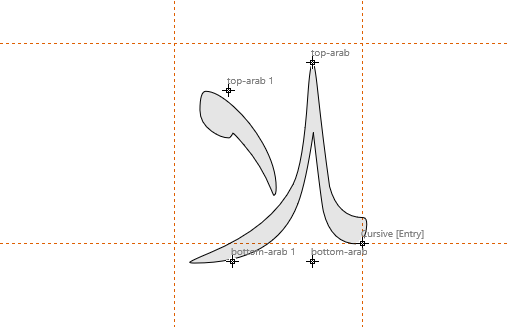
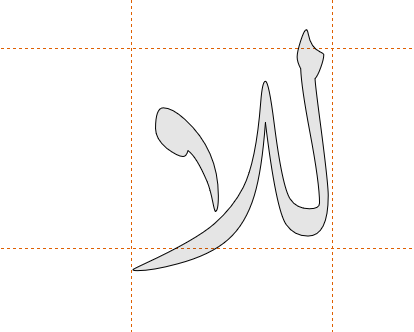
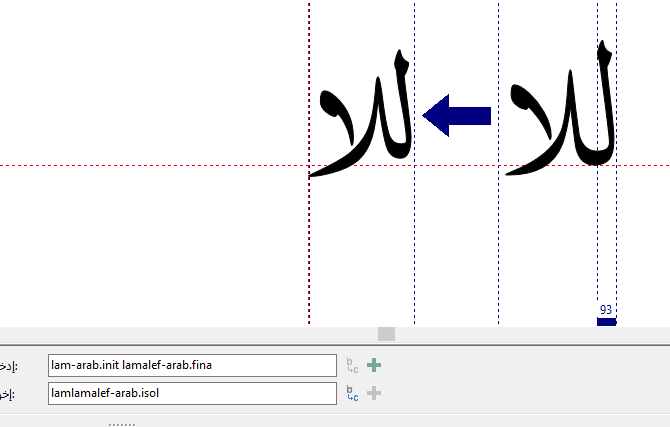
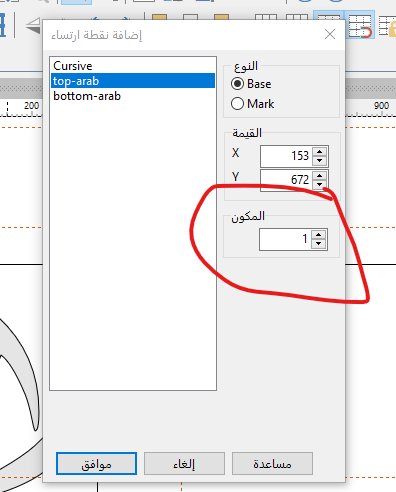
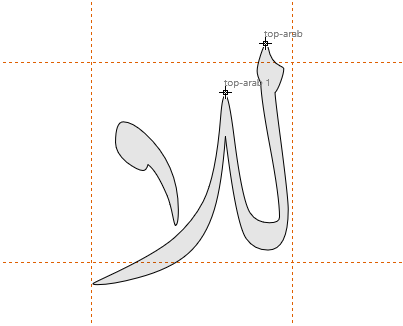
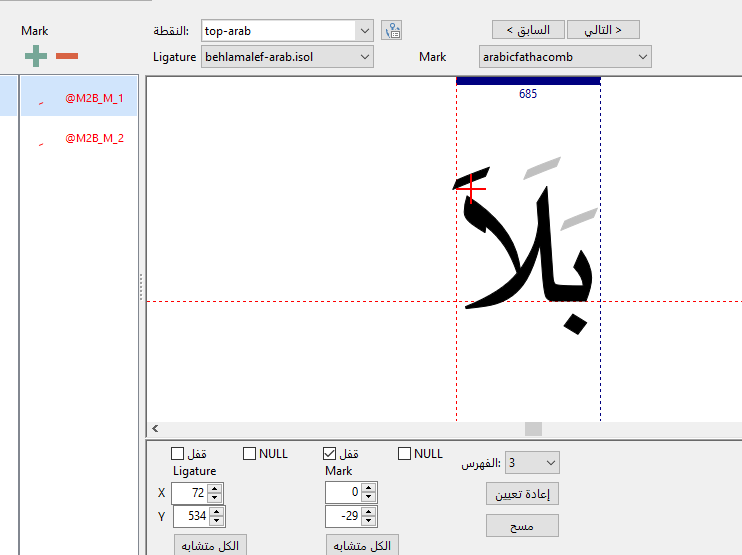
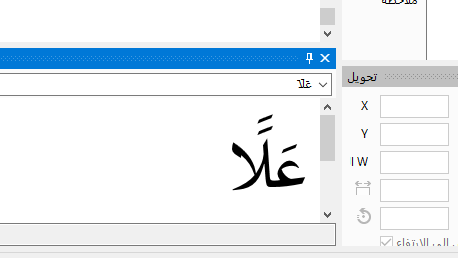
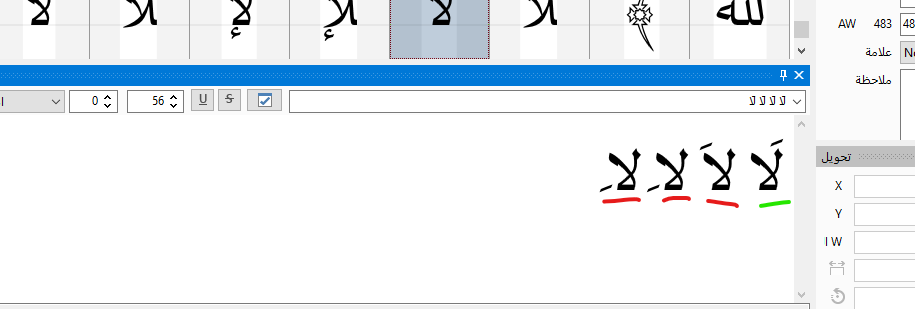
This ligature actually consists of three characters: “lam-arab.init” + “lam-arab.medi” + “alef-arab.fina”. In OpenType, I configured it as a ligature + base: “lam-arab.init” + “lam_alef-arab.fina”
and I don’t want the liga to conflict with the rlig.
I created a simple example above, but I have many more ligatures.
I need to create them this way to avoid conflicts.
I wish I had used calt and contextual from the beginning. It took me many months to design the glyphs. I hope to find a solution that doesn’t involve redesigning.
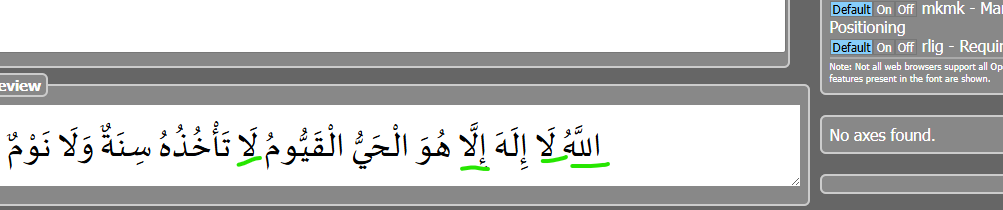
Note that the diacritics in OpenType look good.
However, in the preview, the third character appears to be diacritically placed above the second.
Thank you, my friend.
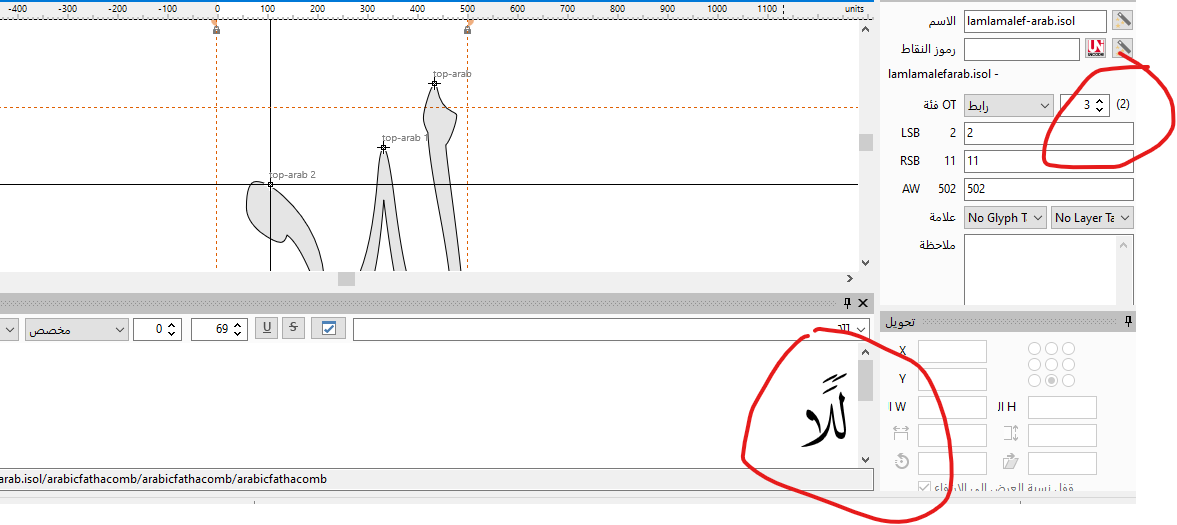
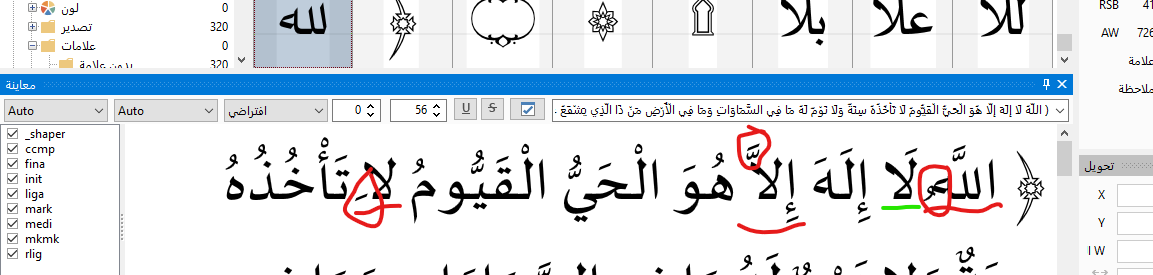
However, I think it caused another error in the preview.
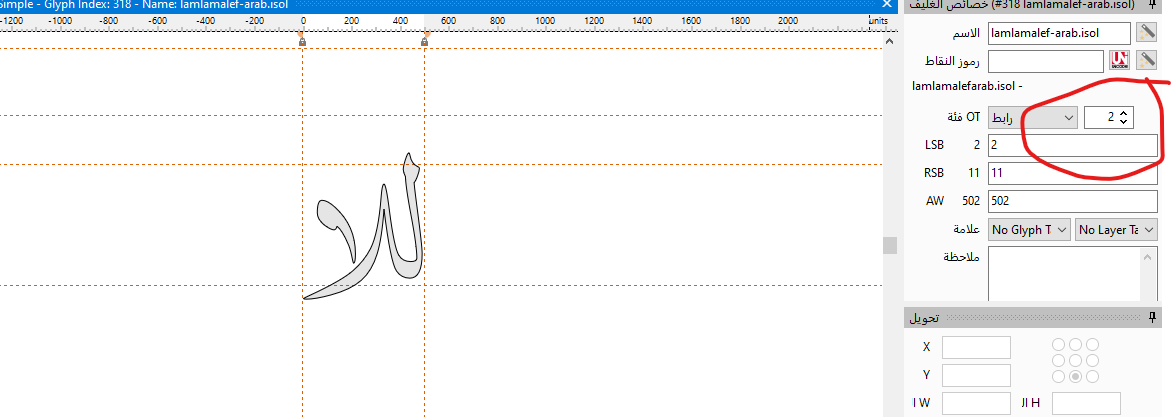
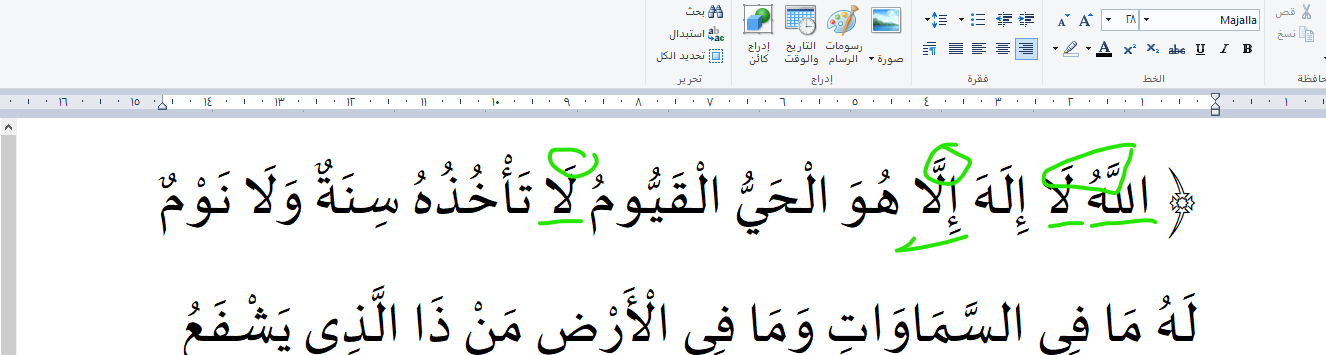
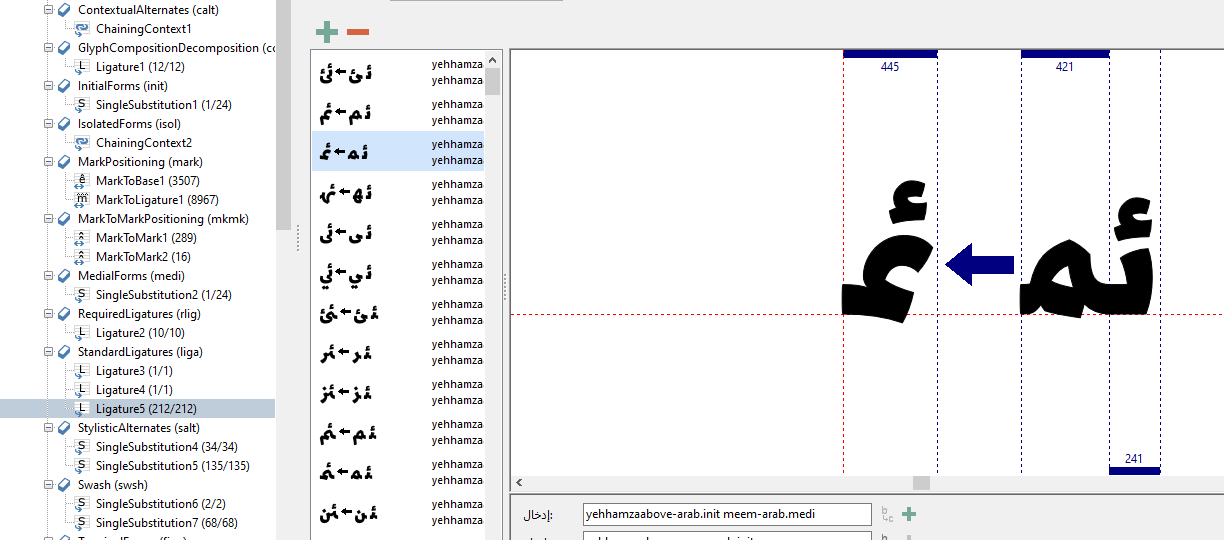
Look at this screenshot of the preview in FontCreator.
The same word, lamalef-arab.isol, is repeated 4 times and doesn’t display correctly.
Thank you again. I’m truly embarrassed; I feel like I’ve troubled you a bit.
I’m giving my feedback out of love for the wonderful and excellent FontCreator program.
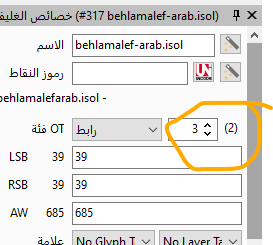
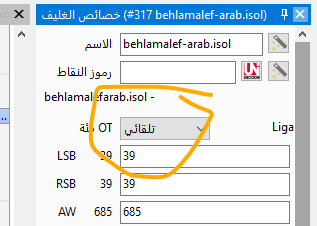
A note for future updates: When linking Base to Ligature,
it would be better if the program recognized it uniquely.
The program displays the number 2, and the input is 3.
When exporting, the font works correctly.
I’m just suggesting this to make the program better. FontCreator’s greatest strength is its ease of use and clarity for beginners.
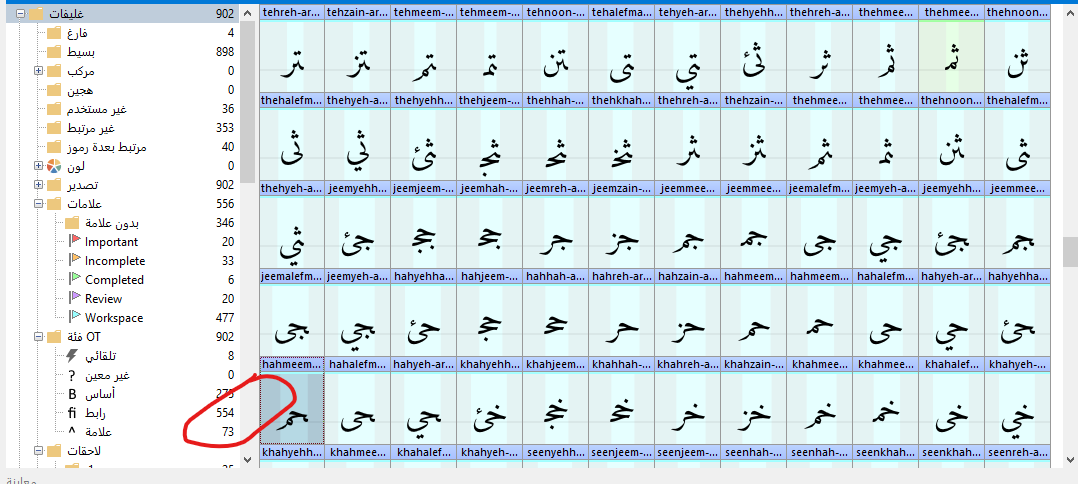
In some professional fonts, you have a large number of ligatures.
See the attached file. I use it as a template for new fonts.
It contains most of the ligatures used in Arabic.
It will better illustrate the need to link a base to a ligature to avoid conflicts.
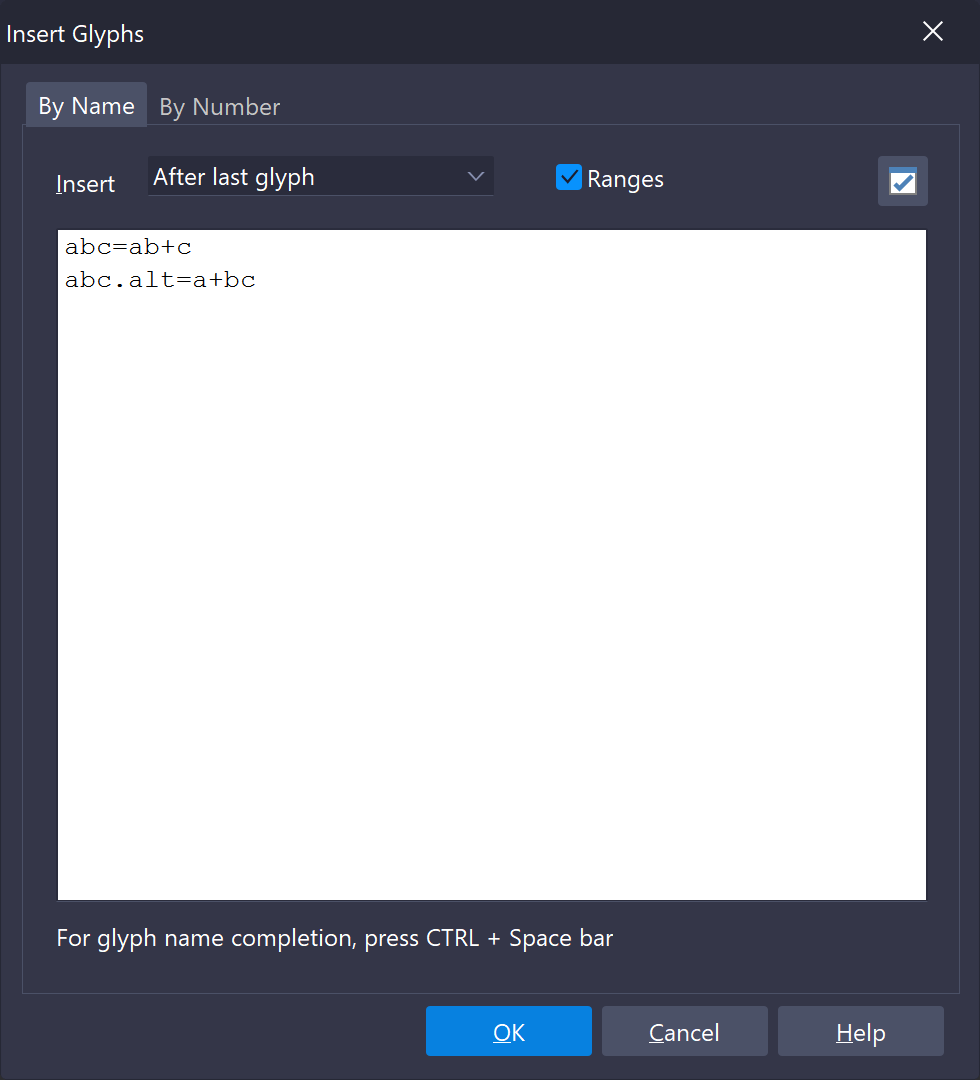
For example, a word made up of ‘abc’ and you have two glyphs, ‘ab’ and ‘bc’.
The program will use the first one and ignore the second.
It becomes easier when using a new glyph like ‘ab+c’ or ‘a+bc’.
Copying and pasting is often used for similar glyphs,
and errors occur when searching for compatibility, conflicts, and linking, etc.
Choosing Automatic saves a lot of time.
Yes, using ContextualAlternates is much better programmatically;
you don’t need Liga at all. However, it’s more technically difficult when creating the design map;
designing the font takes much longer.
I’m talking about OpenType design.
Perhaps we’ve strayed a bit from the topic due to my limited English.
In short, I’m not looking for a solution; I’ve simply offered a suggestion to improve the program.
When creating ligatures in Arabic, you need glyphs of two or more characters.
Using ligatures is easier in terms of font design.
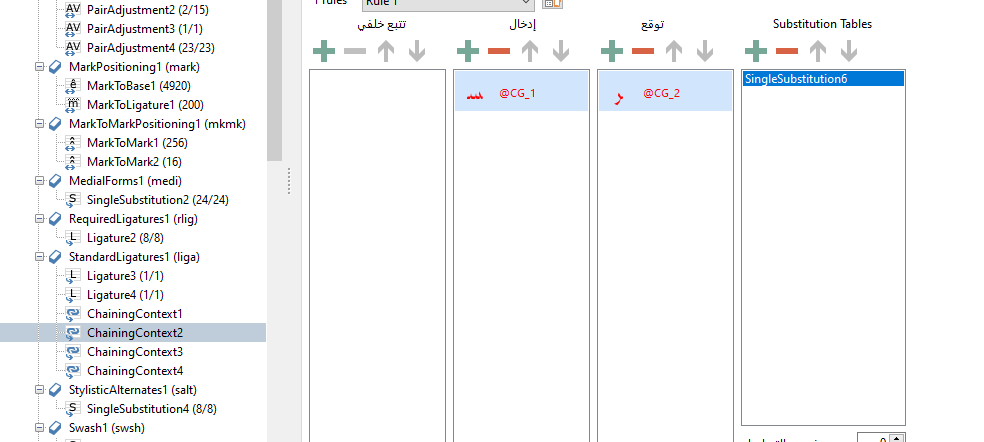
Using ChainingContext requires more expertise and time.
Sorry for the long post. Best regards, my friend.